
Northern Ireland Hospitality VAT pilot “a no-brainer”
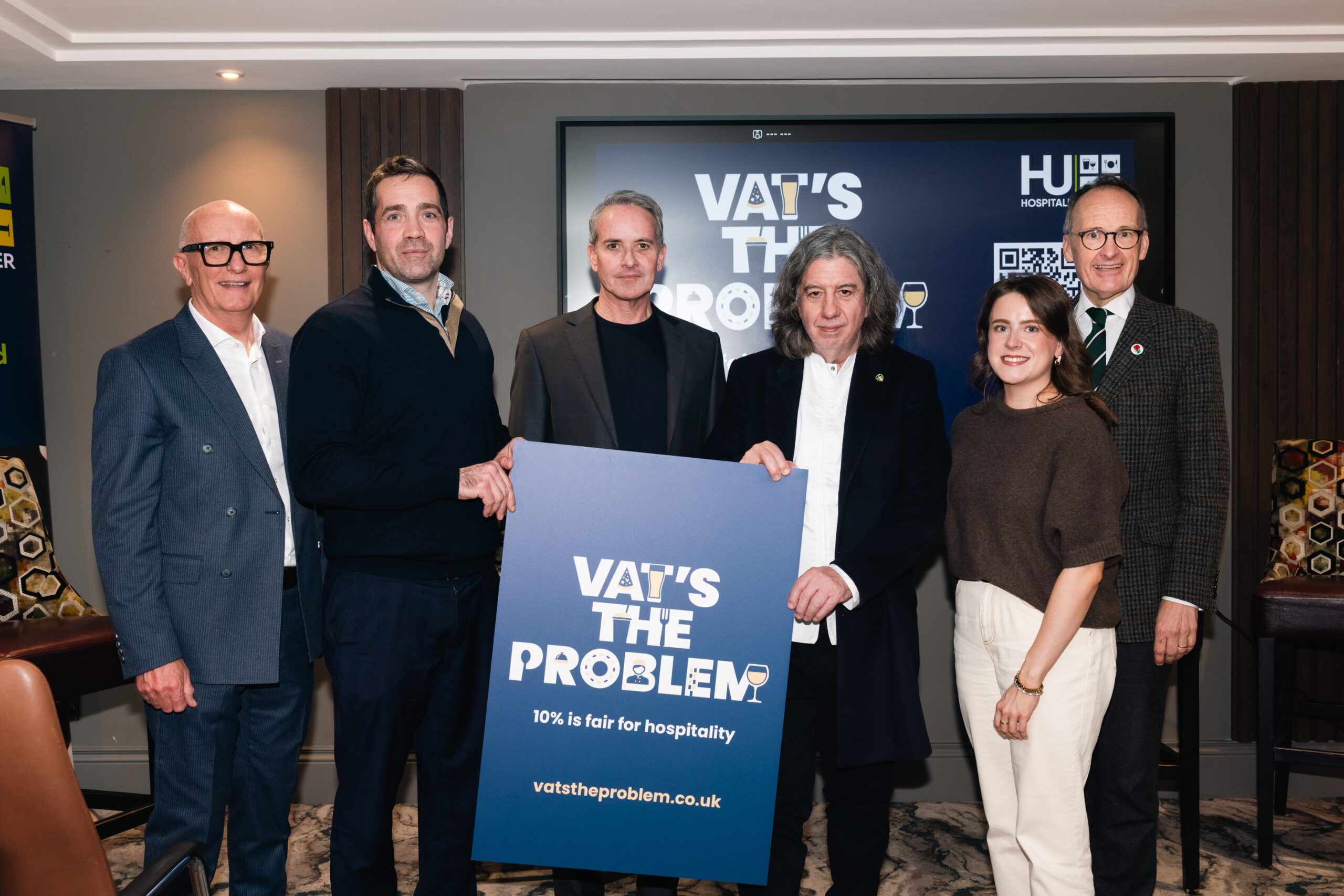
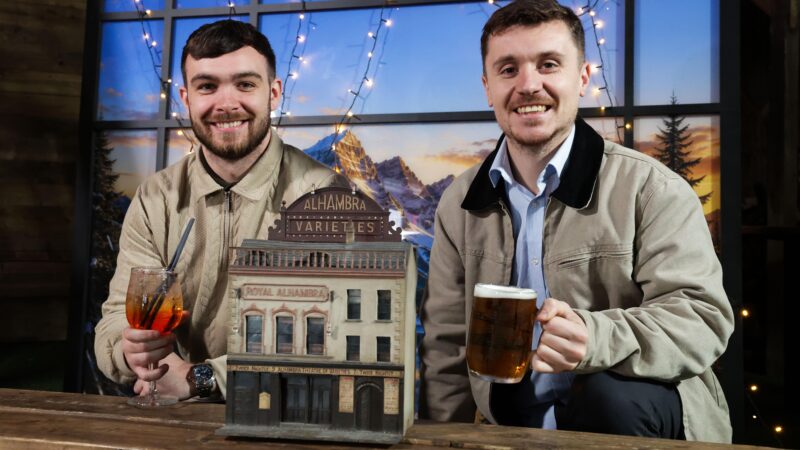
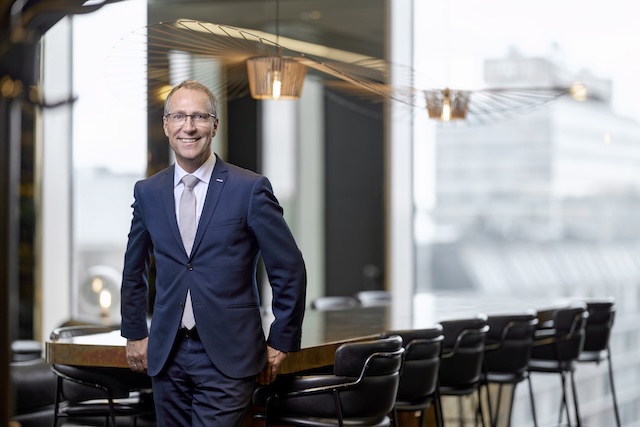
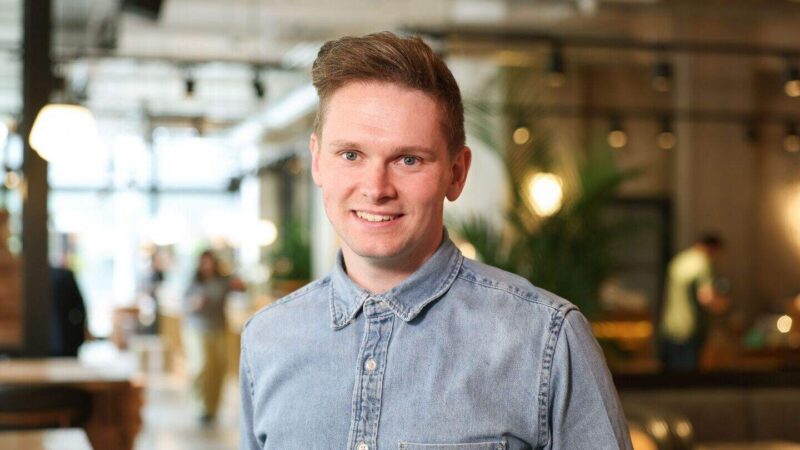
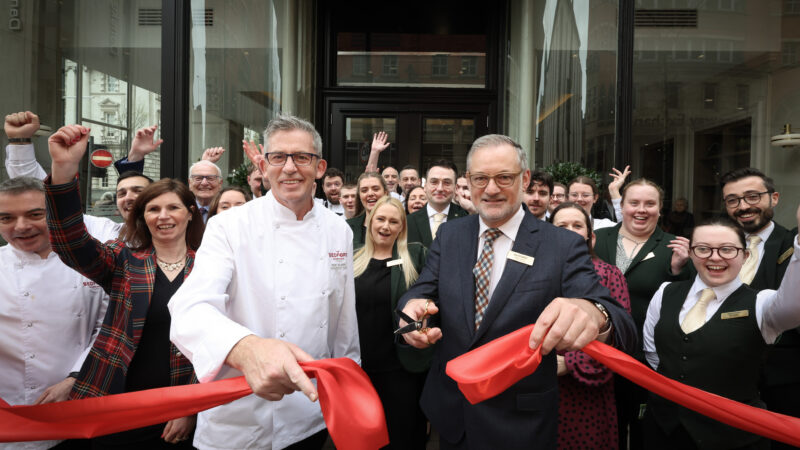
(L-R) Colin Neill, Chief Executive, Hospitality Ulster Michael Cadden, Chair, Hospitality Ulster; Sacha Lord, Night Time Economy Adviser and Chair, Night Time Industries Alliance; Michael Deane, chef and restaurateur; Ciara Hurl, Crosskeys Inn; Howard Hastings, Chairman, Hastings Hotels
Hospitality leaders have called on the UK Government to support a four-year VAT pilot in Northern Ireland, describing it as an opportunity to unlock growth, protect jobs and strengthen the wider economy.
Speaking at the Northern Ireland launch of the #VATsTheProblem campaign at Belfast’s Europa Hotel, hospitality adviser Sacha Lord said a VAT pilot in Northern Ireland was a “no-brainer” and that the region was the perfect place to test the impact of reform.
The event, hosted by broadcaster Lynette Fay, brought together Sacha Lord, Hastings Hotels’ Howard Hastings, chef and restaurateur Michael Deane and Ciara Hurl of the Crosskeys Inn to discuss the pressures facing the sector and the case for a more competitive VAT regime.
The call follows a recommendation from the Northern Ireland Affairs Committee for a four-year pilot reducing VAT to 10% on hospitality food and accommodation in Northern Ireland, excluding alcohol.
Lord, who served as Greater Manchester Night Time Economy Adviser from 2018 to 2025 to then-Mayor of Greater Manchester Andy Burnham, said the case for reform extended well beyond the hospitality businesses themselves, highlighting the sector’s contribution to employment and the opportunities it could offer young people entering the workforce.
He pointed to the impact of the increase in employer National Insurance contributions, which he said had cost the UK hospitality industry 110,000 jobs. He also highlighted the challenge of getting almost one million young people who are not in education, employment or training into work, arguing that hospitality could provide an important route into employment.
Under the current arrangements, hospitality food service in Northern Ireland is subject to 20% VAT, compared with 9% in the Republic of Ireland. The rate on accommodation is 20% in Northern Ireland and 13.5% in the Republic.
The campaign argues that a reduction in VAT would give businesses greater scope to protect employment, invest in their premises and services, and compete for customers.
Sacha Lord, Night Time Economy Adviser and Chair, Night Time Industries Association, said “A VAT pilot in Northern Ireland is a no-brainer. It is the perfect place to test what a more competitive rate can do for hospitality, and the best route forward for the UK industry as a whole.
“This is a growth strategy for an industry that is deeply embedded within the local community. If we give hospitality businesses the opportunity to grow, that investment and additional activity will feed into the wider local economy, supporting jobs, suppliers and communities.
“Any reform of hospitality taxation also needs to recognise the different business models within our sector. Traditional pubs, which do not serve food, would not directly benefit from a reduction in food VAT, yet they face many of the same pressures as other hospitality businesses. For these venues, reform of business rates must also be part of the conversation if we are serious about supporting the whole sector.”
Colin Neill, Chief Executive, Hospitality Ulster, said “Hospitality is not just an industry, it is in our DNA. Our pubs, restaurants, hotels and other venues are at the heart of communities across Northern Ireland, creating jobs, attracting visitors and supporting businesses throughout the supply chain.
“The pressures facing operators are becoming increasingly difficult to absorb. In many cases, VAT is now outstripping wages as the biggest cost facing a business. That is simply not sustainable when our competitors across the border are operating with a significantly lower rate on food and accommodation.
“We need continued dialogue and engagement with Government, focused on practical solutions. The Committee’s recommendation for a four-year pilot is a positive step, and we now need to see it translated into action.
“There is a real opportunity here to move beyond simply responding to the challenges facing hospitality and focus on how we grow the sector. A stronger hospitality industry means more employment, more investment and more money circulating in the local economy.”